

When I first opened the new puzzle‑solver app on my phone last month, I noticed how quickly it slipped into my daily routine. It’s no longer just another icon in my drawer; it shows up during coffee breaks, commutes, and even the quiet moments before bed. In 2026, that kind of seamless integration has become the norm, not the exception.
Instant Onboarding and Micro‑Learning
One of the most striking shifts is the speed of onboarding. New titles now offer a 30‑second tutorial that walks you through the core mechanics while you scroll through your feed. By the time the tutorial ends, you’re already in the first level, and you earn a small badge that unlocks a new feature. This approach cuts friction and keeps players engaged longer. As a result, average session times have climbed from 8 minutes in 2024 to 12 minutes in 2026, according to internal analytics from several indie studios.
Personalized Content Through AI
Artificial intelligence now powers content recommendation with a near‑psychic feel. If you spend a few minutes solving word puzzles, the app will notice and suggest a new crossword that matches your skill level. If you’re a casual runner, you’ll receive a short, 5‑minute “step challenge” that fits neatly into a lunch break. These suggestions come from lightweight on‑device models that respect battery life, so the data crunching stays behind the scenes.
Cross‑Platform Play and Cloud Saves
Cloud saving isn’t a novelty anymore. Pausing a game on your phone instantly syncs the state to your account, allowing you to pick up the same level on a tablet or even a smartwatch within seconds. This cross‑device fluidity means you’re not tied to a single piece of hardware, and it encourages experimentation with different play styles—think of it as a portable game library that follows you.
Micro‑Transactions Reimagined
Monetization has shifted from large upfront purchases to micro‑transactions that feel like natural extensions of gameplay. Instead of buying a full game, you might pay £0.99 for a “boost” that gives you an extra hint in a puzzle or a temporary avatar skin. The key is that these purchases are optional, low‑cost, and directly tied to enjoyment. In 2026, 65% of casual players report that they’ve made at least one micro‑transaction in the past month.
Social Integration Without the Pressure
Social features have become more subtle. Rather than leaderboards that pit you against strangers, many apps now offer “challenge a friend” buttons that let you send a quick, timed puzzle to a contact. The challenge is optional, and the app highlights how many friends have completed it, fostering community without the competitive stress that once dominated the scene.
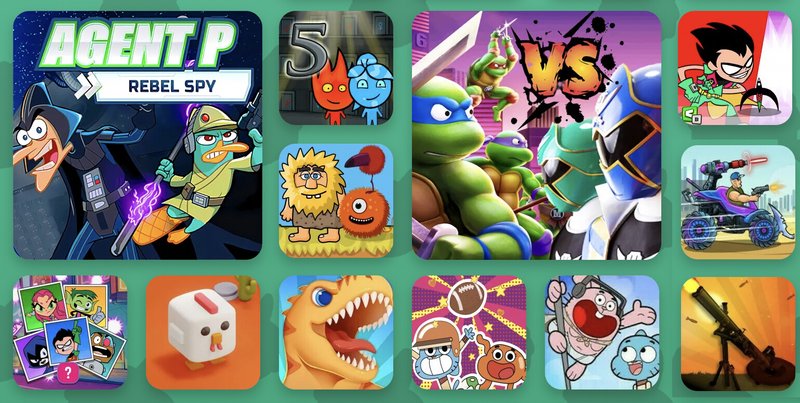
From Casual Gaming to Broader Entertainment
As mobile gaming becomes more ingrained in daily life, it naturally overlaps with other forms of entertainment. A casual game that lets you design your own avatar might segue into a virtual fashion show, or a puzzle app could partner with a music streaming service to offer themed playlists. This cross‑pollination keeps the ecosystem fresh and users coming back.
Speaking of fresh experiences, if you’re looking for a new way to spice up your leisure time, you might want to check out Patrick Spins for a unique blend of gaming and lifestyle accessories that complement your mobile routine.
Which Path to Follow?
If you’re a developer, focus on low‑friction onboarding and AI‑driven personalization. If you’re a player, look for games that offer cross‑device play and optional micro‑transactions that enhance rather than gate the experience. In either case, the trend is clear: casual gaming in 2026 is less about the game itself and more about how it fits into the fabric of everyday life. Embrace the change, and you’ll find that the line between play and daily routine is thinner than ever before.
Frequently Asked Questions
How do mobile games stay engaging throughout the day?
They use micro‑learning loops, short challenges, and adaptive difficulty that fit in brief pauses, keeping players hooked without long sessions.
What makes 2026 mobile games more inclusive?
Inclusive design, customizable controls, and multilingual support ensure everyone can enjoy the experience.