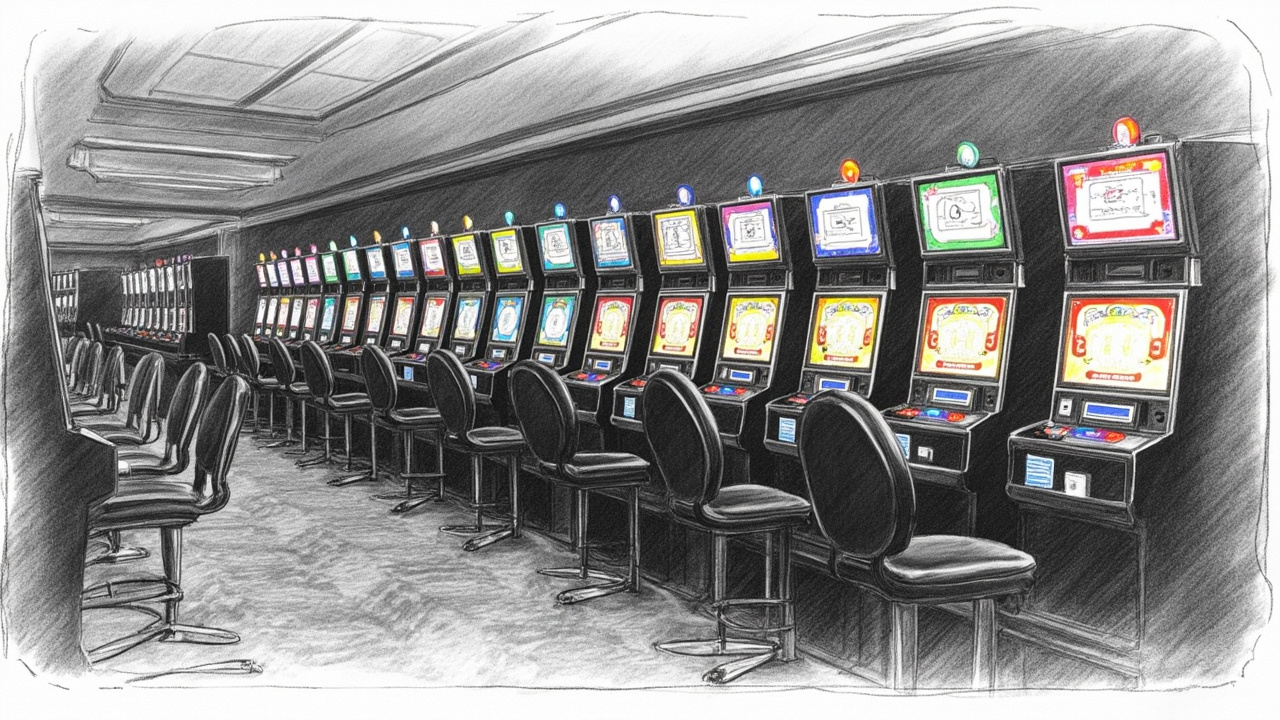
Competitive slot events have become a genuine draw for Australian players chasing leaderboard positions rather than just base spins. The format rewards consistency, timing, and a clear read on prize pools, which is why I keep testing these modes against the same editorial benchmark I have used for seventeen years in journalism and iGaming publishing. A tournament needs transparent entry terms, a sensible game selection, and payout rules you can verify before you commit any credit. When those pieces line up, the competition feels fair; when they do not, it is just another noise channel on the lobby.
How The Tournament Lobby Is Built

The lobby structure matters more than the flashy countdown timers suggest. A properly organised competition separates entry tiers, active leaderboards, and finished rounds so players are not guessing which event still has prize money attached. I have spent enough time inside content management systems to know that a cluttered lobby kills participation faster than a weak prize pool ever could. The best setups list the eligible games up front, show the remaining player count, and make the prize distribution visible before you tap into a seat.
Uptown Pokies runs its tournament hub with a separate tab for active brackets, which keeps the lobby from feeling like a wall of promotions. The entry page for uptownpokiesnodeposit.com lays out the current rounds in a single scroll, with each event showing the game lock-in, the player cap, and the remaining time in local format. That kind of clarity is what separates a usable competition from a lobby that asks you to dig for basic terms.VIP tournament access for Australian players
The game mix inside a tournament is the next thing worth weighing. A strong event leans on a spread of volatility levels so different playing styles can find a lane, rather than forcing every entrant into one high-variance title. The table below we can reflects the kind of spread I look for when judging whether a tournament lobby is built for real participation.
| Tournament Element | What To Check | Why It Matters |
|---|---|---|
| Game lock-in | Confirm the exact title and variant before entering | Prevents surprise switches mid-round |
| Player cap | Note the maximum entrants and current fill rate | Affects leaderboard compression |
| Prize structure | Read whether payouts tier by rank or flat | Changes how you manage your spin budget |
| Time window | Check the round length and local end time | Determines whether you can play at your own pace |
Discovery tools should do more than sort alphabetically. A search bar that filters by provider, volatility band, or theme saves time, and a shortlist function lets you compare two or three eligible titles side by side. When I am judging a lobby, I want to see whether the search results actually match the tournament rules instead of dumping the entire casino catalogue into the frame. A focused discovery flow keeps the competition readable, especially on a busy session when you are trying to pick a game before the entry window closes.
Reading The Rules Before You Spin
Tournament rules are where a lot of events lose their credibility, so I read the prize distribution and entry terms before I treat any round as worth a session. A transparent event states the entry cost in the local currency, the total prize pool, and how the money splits across the leaderboard positions. If the terms hide the payout order or bury the entry fee in a bundle, I treat the whole thing as a marketing layer first and a competition second.
Henry Henderson, Head of Operator Partnerships at Murray River Gaming Research, has flagged the same issue from a research angle. He notes that players often overvalue a headline prize pool without checking how many entrants actually reach the paid ranks, which can make a large top-line figure look stronger than the event really is. That is a fair caveat, and it is one I keep in mind whenever a tournament advertises a big number up front.
Payment and currency handling should match the rest of the casino rather than invent a separate tournament wallet with its own rules. A clean setup keeps the same deposit and withdrawal path, uses one consistent currency for entries and winnings, and shows the conversion clearly if any rounding happens at the end of a round. I have seen events that quietly shift amounts between entry and payout, which is the kind of inconsistency I flag in editorial work because it makes the competition harder to track.

Mobile play needs the same rule clarity as desktop, not a trimmed-down version that hides the terms behind a smaller screen. A tournament that works properly on mobile keeps the entry button, the game list, and the leaderboard visible without forcing you to zoom through a compressed layout. When the mobile view cuts corners on the rules panel, I do not treat the event as equivalent to the desktop version, regardless of how smooth the spin button feels.
A short checklist helps before you commit to a round, and it is the kind of practical filter I use when I am comparing events rather than just browsing the lobby.
- Confirm the exact game and variant locked into the tournament
- Read the prize split and how many ranks are paid
- Check the entry cost in the same currency you will withdraw in
- Verify the round end time in local format
- Make sure the mobile view shows the full rules panel
Who This Competition Style Suits
A pokies battle tournament mode suits players who like a clear target and are comfortable managing a fixed spin budget against a leaderboard. If you enjoy measuring your session against other entrants and do not mind that position depends on timing as much as luck, the format gives you a structure that a plain spin session does not. It is less appealing for anyone who wants total control over pace, because the round clock and entry window create a rhythm you have to work around.
The Gold Coast crowd I have spoken to tends to fit one of two patterns. Some players want a short, sharp event they can slip into an arvo session and finish before the evening crowd arrives, which means they favour shorter rounds and a game they already know. Others use the tournament as a longer competition thread, tracking the leaderboard across several sessions and adjusting their spin size as the field narrows. Both approaches are valid, but they need different events, so reading the time window matters more than chasing the biggest prize number.
A fair go in a tournament comes from knowing what you are signing up for, not from hoping the lobby will explain itself halfway through. If the event is organised well, you can pick a lane, set a budget, and treat the leaderboard as the scorecard it is meant to be. If the terms are vague, the competition is just another way to spend credit without a clear reason to stay in.
If you are already comparing tournament access across operators, it is worth reading the VIP tournament access for Australian players at Fair Go Casino alongside your own shortlist, because the entry terms and prize split vary enough that one lobby’s setup will suit a different playing style than another’s. That kind of side-by-side check is where the real fit shows up, not in the banner graphics on the home page.